In Uganda, access to safe water, adequate sanitation, and proper hygiene remains a critical
development challenge, particularly for rural, marginalized, and vulnerable populations. While
national coverage of improved water sources is around 79%, rural communities, women, children, and
persons with disabilities (PWDs) continue to face significant barriers in accessing safe and reliable
water. Sanitation coverage remains low, with many households, schools, and public spaces lacking
improved facilities, and handwashing practices are often inadequate. Seasonal water scarcity, climate
shocks, rapid population growth, and recurrent humanitarian crises further exacerbate these gaps.
Strengthening local government capacity, promoting community-led WASH initiatives, and ensuring
inclusive approaches that engage women, youth, and PWDs are therefore essential to improving
hygiene behaviors, reducing waterborne diseases, and fostering resilient, equitable, and empowered
communities across Uganda.
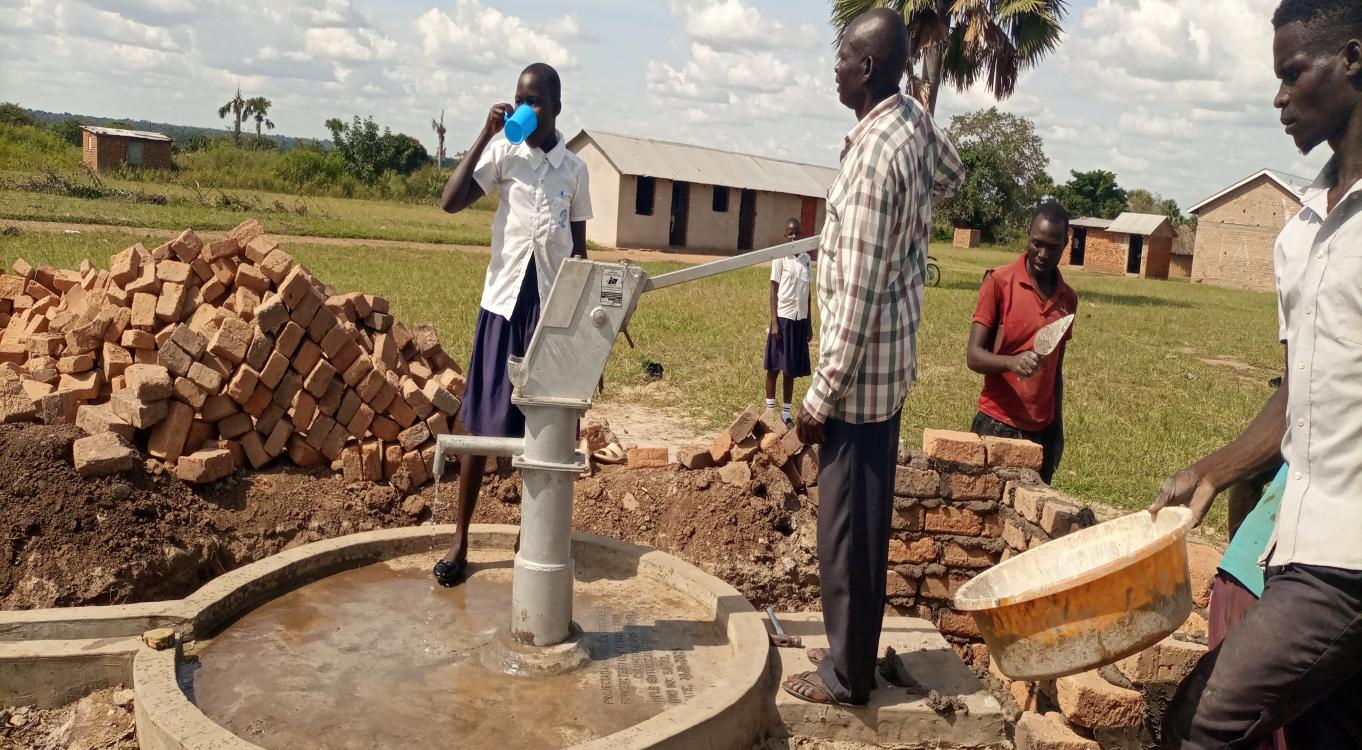
The program will aim to improve access to safe water, promote hygienic practices, and reduce the
burden of waterborne diseases. TEDDO will work with rural and urban communities, schools, and
churches to support the construction and use of improved latrines, handwashing facilities, safe water
storage, and household water treatment technologies. Sanitation campaigns, community clean-up
initiatives, and school WASH clubs strengthen collective responsibility for maintaining clean and safe
environments. Churches serve as influential platforms for behavior change messaging, encouraging
families to adopt consistent hygiene and environmental practices that benefit all household members.